What Nobody Tells You About blepharoplasty recovery timeline
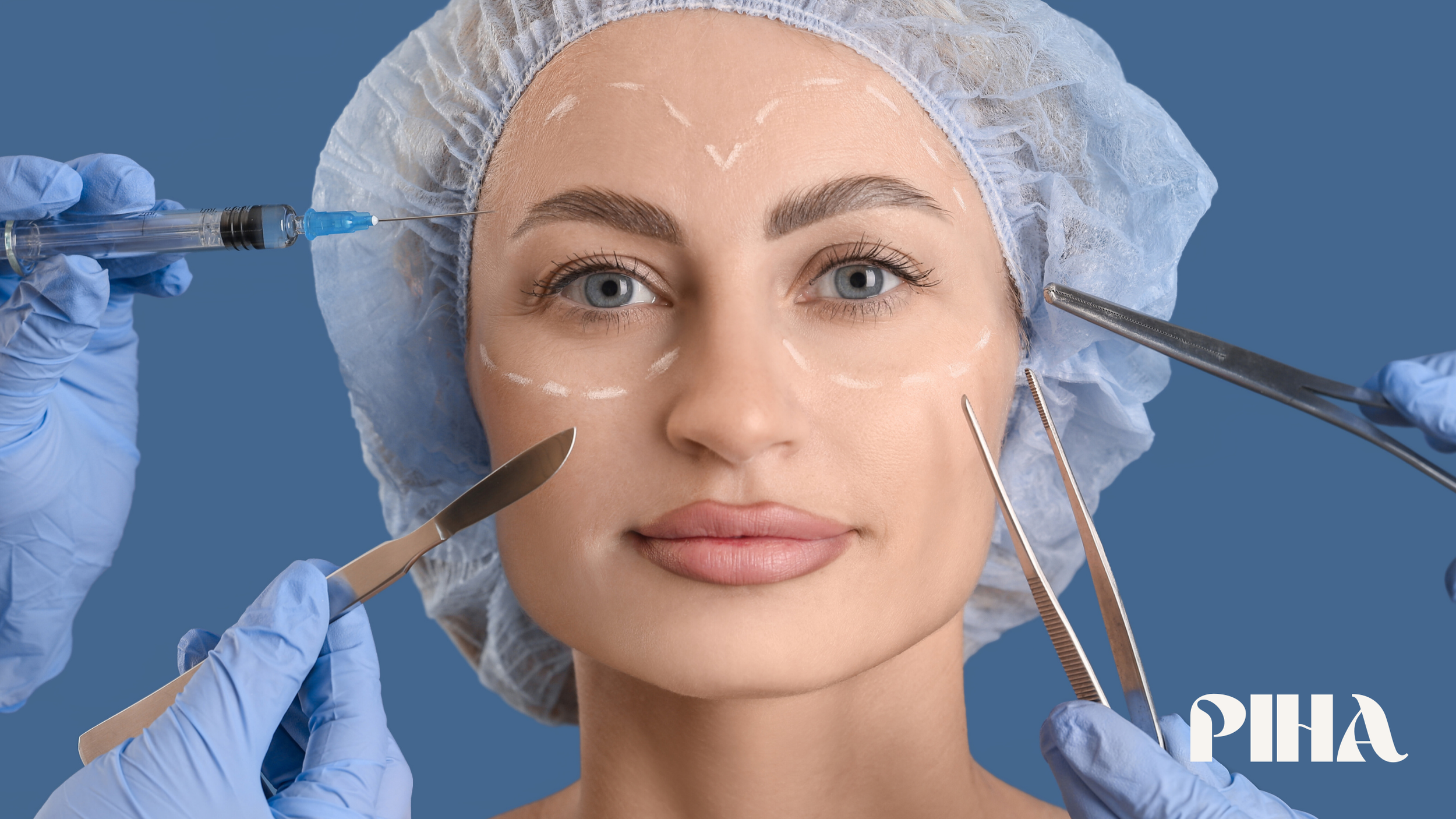
If you are preparing to have a blepharoplasty, you will want to give this a read. Susan Groshek, RN, gives us the raw and unfiltered rundown on blepharoplasty recovery timeline from the lens of her medical profession and personal experience.
As a nurse, I thought I had this one handled. I read the discharge sheet, stocked my freezer with peas, and told myself I would be the model patient. Then reality hit. Swelling, blurred vision, and that unfamiliar tightness around my eyes had my mind running through twenty different “what if” scenarios.
Blepharoplasty might be called a minor procedure, but when it is your face, nothing about it feels minor. Especially when it includes an upper and lower blepharoplasty, a skin pinch, filler removal, fat repositioning, and a TCA peel. The eye area basically gets its own remodel.
The upper blepharoplasty removes extra skin so the eyes look more open. The lower blepharoplasty with a skin pinch tightens loose skin underneath. Filler removal clears out old or migrated filler so your surgeon can see what is actually yours. Fat repositioning moves your natural fat pads to smooth hollows and puffiness. The TCA peel evens out tone and texture for a smoother finish. Small areas, big commitment.
The first 48 hours
Day one feels fine thanks to anesthesia. Day two feels like someone replaced your eyelids with small water balloons. Swelling peaks around day three, and that is when you realize ice packs are your new best friend. For the first three days, I used ice for 20 minutes of every hour until bedtime. It made a huge difference. I slept with my head elevated and kept the area cool.
For my recovery, I used an eye ointment three times a day for seven days and preservative free Refresh Celluvisc tears three to four times a day to keep my eyes lubricated. When applying ointment, I gently dabbed it along the incision line instead of pulling the eyelid away. These were my surgeon’s instructions, but every post op plan is different, so always follow your own.
My bruising was mild, but the puffiness made me look like I had lost a few rounds in a boxing match. Mild oozing and blood-tinged tears are normal. Severe pain or vision changes are not, and warrant a call to your surgeon.
Days 4 to 7
This is when restlessness sets in, and you start thinking you feel well enough to do a few things. Do not. Even light exertion can increase swelling or trigger chemosis, which is swelling of the white part of the eye.
I learned this personally. On day seven, I decided to clean out my storage unit. I was not lifting anything heavy, just pushing boxes and hauling trash bags. My post-op instructions said not to lift more than 20 pounds until cleared, and while I followed that, I still overdid it. The next morning, my right eye burned, watered constantly, and felt like something was stuck in it. My surgeon knew exactly what it was, chemosis, and prescribed steroid drops. The relief was instant.
Chemosis can happen even when you follow every rule. It can be caused by fluid buildup from swelling, irritation from dryness, or simple lymphatic congestion. Sometimes just bending, straining, or sleeping flat can trigger it. In my case, it was painful, burning, and very uncomfortable, with constant tearing that made it impossible to ignore. It may not look dramatic to others, but it feels awful until treated. The good news is that it usually responds quickly to steroid or anti-inflammatory drops, and while it can take weeks to fully calm down, it is temporary.
Other possible blepharoplasty recovery complications to look out for:
Most recoveries are smooth, but knowing what can happen helps you react quickly and avoid unnecessary panic.
Chemosis . Swelling of the white part of the eye that causes tearing, irritation, or burning.
Infection. Redness, warmth, or pus from the incision that worsens instead of improving.
Hematoma . Sudden swelling or firm pressure behind one eye that can be painful or affect vision.
Excessive dryness. Common in the first two weeks, relieved with preservative-free tears like Refresh Celluvisc.
Blurry vision . Temporary and caused by swelling or dryness, but any double vision or loss of vision needs immediate evaluation.
Most of these are mild and resolve with treatment, but it is important to call your surgeon early rather than waiting it out.
Week 2
By the second week, swelling starts to settle, and bruising fades quickly. Blinking can feel tight, and the skin may itch as it heals. My vision was still a little blurry, not because my eyes were touched, but because swelling and dryness affected how tears coated the surface. Some days, my phone screen looked like it was underwater. Artificial tears and patience helped.
Even after two weeks, every day feels different. One day, my under-eyes twitched like a small muscle spasm; another day, they felt completely normal. The eye using steroid drops appeared slightly more open since the inflammation was lower. One side of my scar tissue bump was bigger than the other because healing is rarely symmetrical.
Make up and going back to work
If you are a makeup girlie like I am and rarely leave the house without it, I would wait until your follow-up and official clearance before going back to work. My appointment was at the two-week mark, but every doctor is different. I went back to work at day ten, makeup-free, and felt uncomfortable. I wish I had waited the full fourteen days.
Most people can wear light makeup again around day fourteen. It feels different at first. The skin no longer moves with your brush, and blending eyeshadow becomes a delicate sport. When it comes to eyeliner, this is where things really change. Before surgery, I used to gently pull the outer corner of my eye to get a straight line. You cannot do that anymore, especially in the first few weeks. The incision areas are still delicate, the skin is tighter, and stretching it can disrupt healing or even cause irritation. You have to relearn how to apply it with a steady hand, shorter strokes, and patience. It feels awkward at first, but over time, it becomes second nature again.
Weeks 3 to 4
By the third week, most swelling is gone, but the healing is still active. I went back to the gym and felt slight pressure around my eyes, so I lifted lighter and slowed my pace. Even though I was cleared, I avoided burpees, jumping, or anything that involved quick up and down movement. I also went for a trail walk, but it was windy and dried my eyes out quickly, so I cut it short.
Since I had an intense peel, sunscreen and sunglasses became non-negotiable whenever I was outside. I also noticed that if I ate a higher-sodium meal, I could feel the puffiness the next morning. A cold compress fixed it quickly. Most mornings, I use a cold compress for ten minutes before work to reduce any lingering swelling.
Small bumps at the outer corners are normal and usually bits of scar tissue that soften with gentle massage. If you are like me and panic about every little change, those bumps can cause a mini internal meltdown. I massaged them ten times a day for ten seconds each, exactly as directed by my physician, and every day they looked better. Healing takes time, but progress happens when you follow instructions and stay consistent.
I continued sleeping with my head elevated and watched my salt intake. Even though my surgeon cleared me for normal activity, cleared means safe, not finished. The deeper tissues are still remodeling, and it takes several weeks for everything to fully settle.
The emotional part
No one talks enough about this stage. There is a moment when you look in the mirror and think, What have I done. Your face looks swollen and unfamiliar, and it can feel discouraging. That feeling fades as the swelling goes down and your real results appear. Two weeks in, my eyes looked brighter, smoother, and more rested. The scars were barely visible. The process was not fast or fun, but it was worth every awkward day in between.
Questions to ask your surgeon before surgery
☐ Will you perform a peel or laser under the eyes during the same procedure, and how does that affect recovery?
☐ What specific ointment and artificial tears do you recommend, and should I buy them ahead of time?
☐ How long should I avoid bending, lifting, or washing my hair in the sink?
☐ When can I wear makeup again, and should I wait until my follow-up before returning to work?
☐ What should I do if I experience blurry vision, burning, or chemosis after surgery?
☐ How long should I continue sleeping elevated, and when is it safe to resume workouts?
The takeaway
Blepharoplasty recovery is not glamorous, but it is not terrible either. Expect two weeks of visible healing and a few more of subtle changes. Everything I describe here reflects what my surgeon recommended for me, but always follow your own surgeon’s plan. Avoid heavy lifting, keep icing those first few days, and be patient with the process. You might look a little wild before you look amazing, but once you see your reflection again, smoother and still completely you, you will understand why everyone says it is worth every swollen, blurry, slightly alien-looking moment.
Susan Groshek, RN
This article is for educational purposes and based on personal experience. It does not replace medical advice. Always follow your surgeon’s specific recommendations and contact them if you experience pain, vision changes, or unexpected symptoms.