Beyond the Grip
A Yoga Teacher’s Guide to Choosing the Right Mat for You
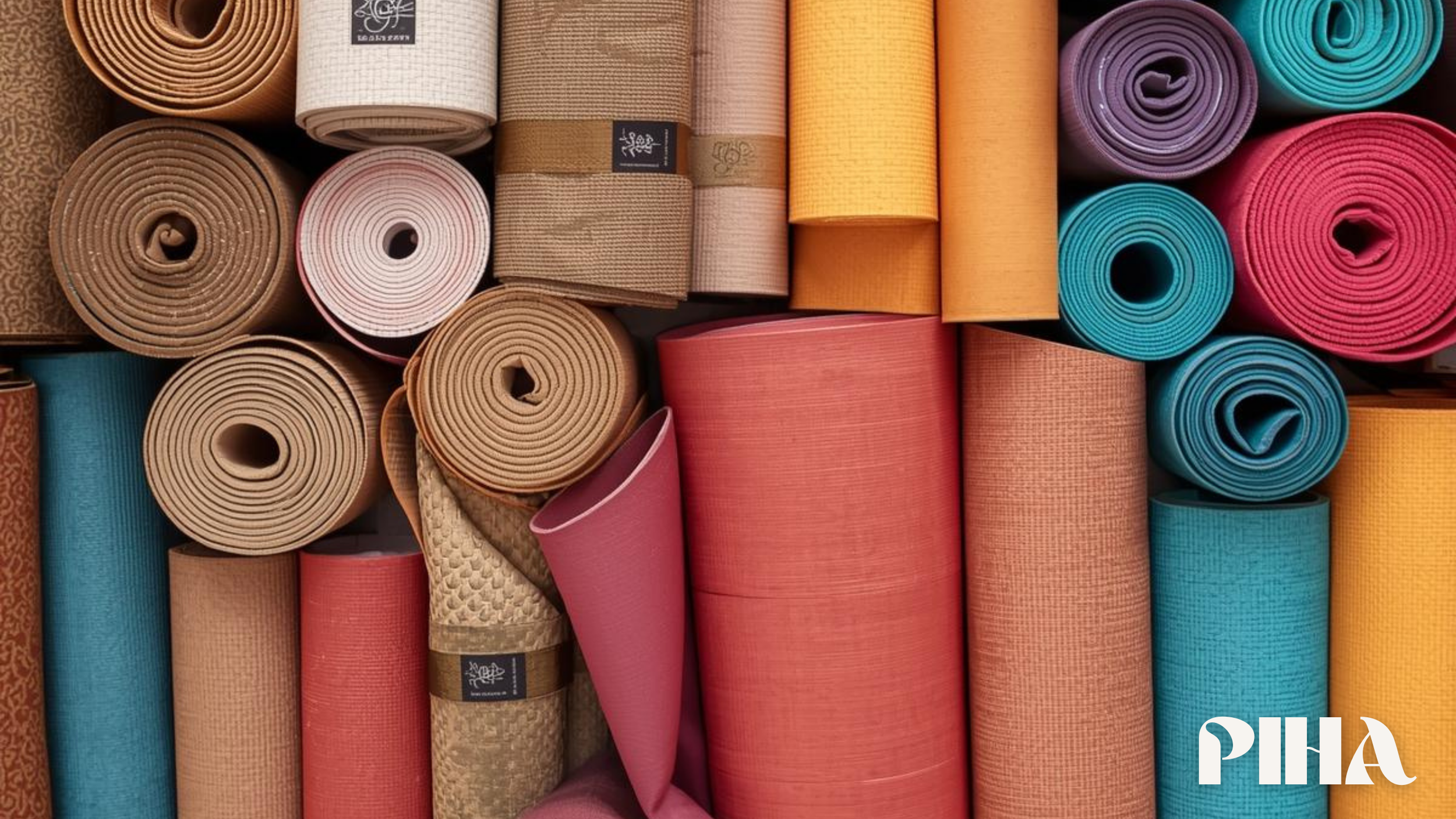
If you are reading this, you are either about to start your yoga journey or have started and find yourself needing a mat upgrade. As a yoga teacher, I’ve seen many a yoga mat tragedy, with some mats becoming a pure hazard. Some hazards I have witnessed: the mat is sliding around on the floor, turning your experience into an awkward game of yoga surf; the mat is crumbling in your hand, turning you and the floor into the same color as the mat; or the mat splits in half, nearly sending you from crescent lunge to the splits.
Most typically, though, your mat just wears out too fast, you feel yourself sliding, or you realize it is the reason you are unbalanced. Now you know you need something better. Allow me—a yoga teacher with over 1,000 hours teaching students—to tell you what to look for when shopping and which brands I would recommend most.
Density—Choose a firm, sturdy mat
You may think you want a lot of cushion, but a fluffy yoga mat might be why your joints hurt and why you can’t keep your balance. Furthermore, a fluffy mat is likely to deteriorate quickly.
Solution to the cushion: Use a yoga blanket, knee pad, or towel under the knees or wherever you were wishing for a little more softness.
One more caution—sometimes good brands (such as those mentioned below) will sell good quality, soft, squishy mats. These are good for yin-style yoga only. You will not want to use them in your heated vinyasa or any class with a lot of movement.
Yoga mats will have a variety of thicknesses. A thick yoga mat can be nice as long as it has the density to hold you up (not too squishy). A thinner mat does not automatically equal dense, either. Check the reviews (or the mats recommended below).
Grip—Choose a mat with texture or grip
A lot of cheaper mats do not have good grip. If you are needing to get a budget mat, ensure that there is texture or grip enough that your hands cannot easily slide across the mat. The more slide, the more dangerous.
Check the bottom of the mat, too. Remember, you don’t want to feel like you are surfing in a yoga class—the mat needs to stick to the floor as well.
Length and Width—Choose a mat with enough room for your body
This is a cautionary tale to my taller humans. The average mat size is plenty big enough to accommodate the length (and width) of an average female body. But if you are near or over 6 feet tall, you will want to find a mat a size or two up from the average.
Typical mat sizes range from 68 to 72 inches long and about 24 inches wide. Someone around 6 feet tall will want a mat closer to 74 inches, with an inch or more in width. Even if you are not very tall, it can feel luxurious to have that extra mat space.
Longevity—Paying for the long life of a mat
Eventually, no matter how good the mat starts off in the beginning, your yoga mat will need replacing. Some of the more expensive mats can last a really long time, but not all are created equal. So, let's get into the recommendations!
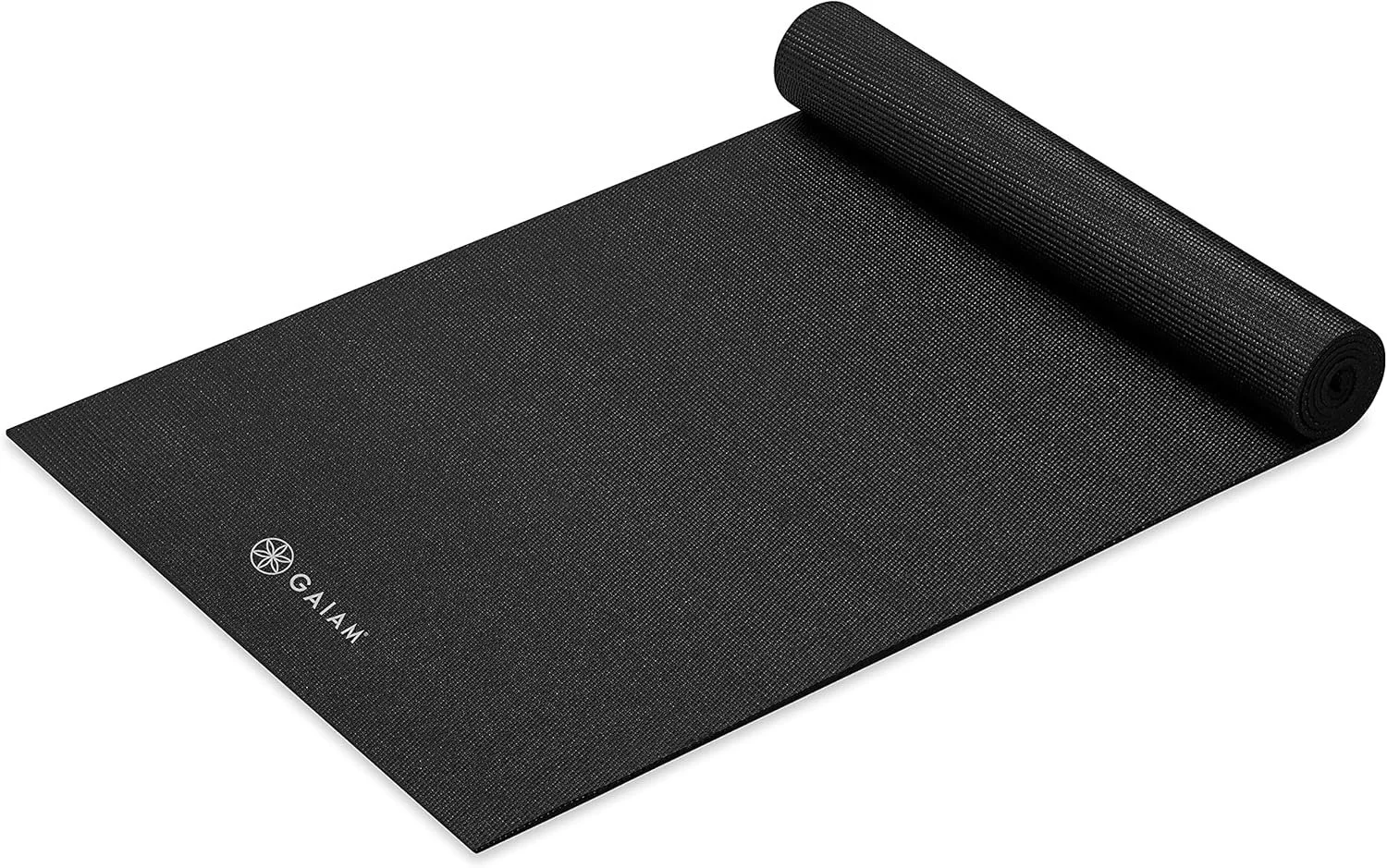
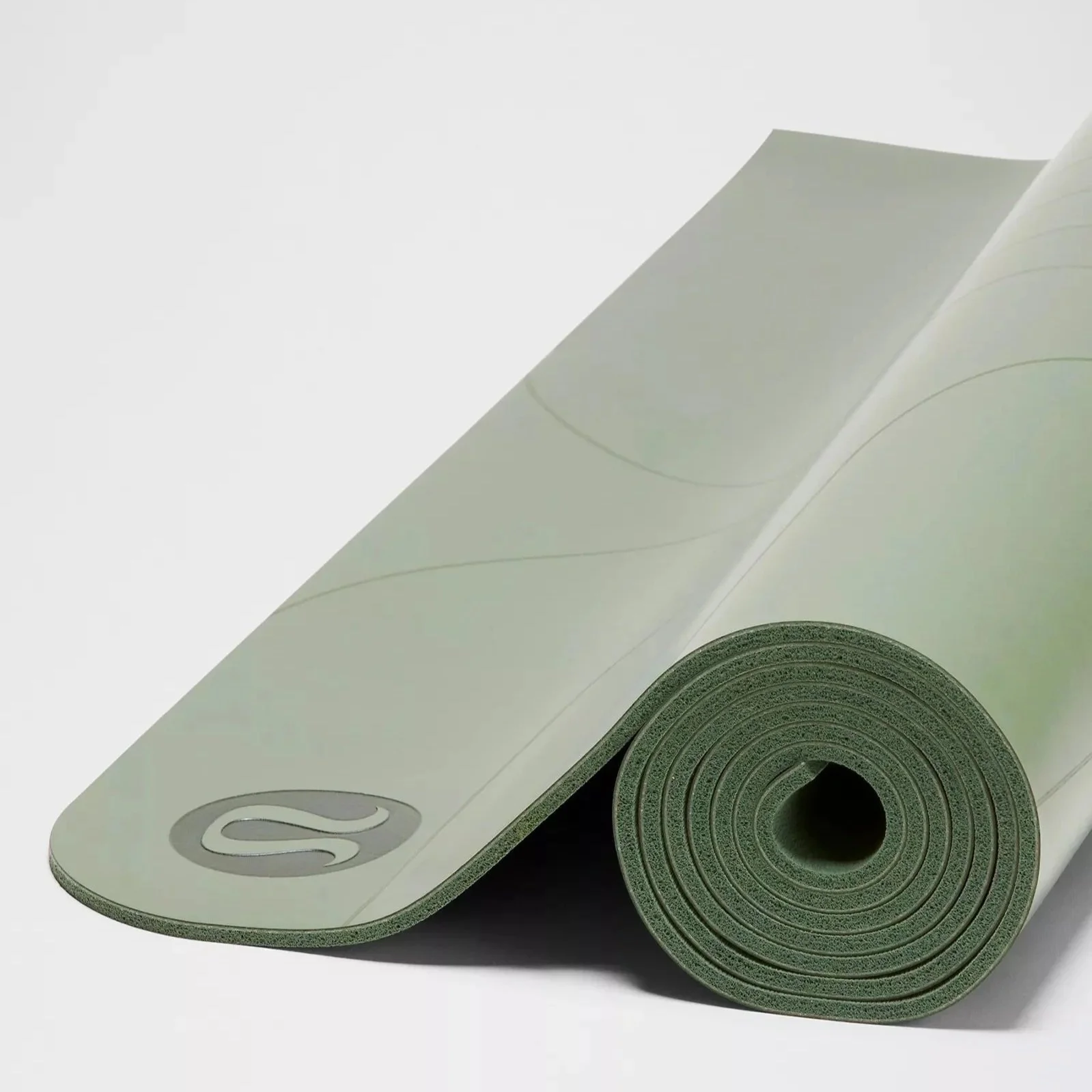
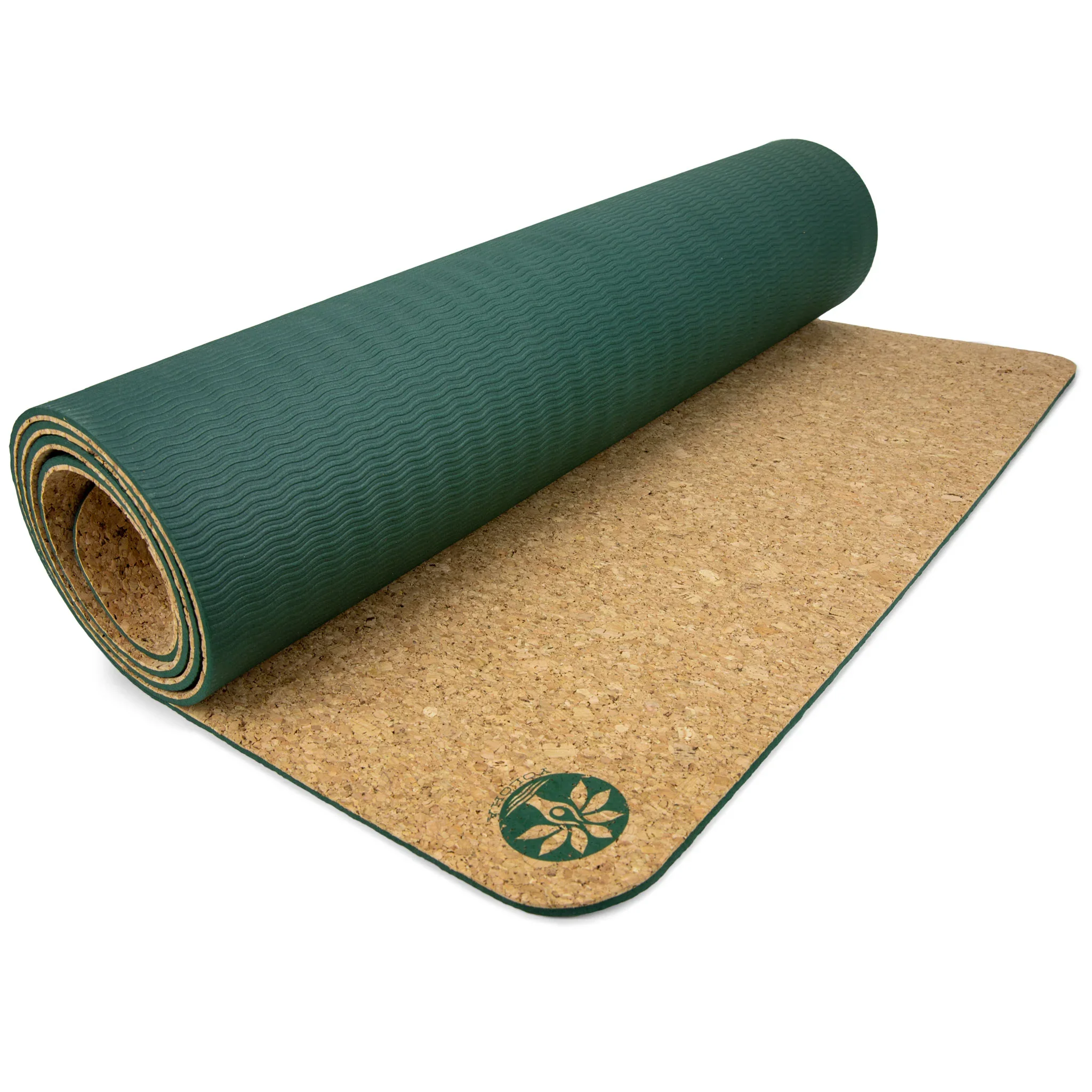
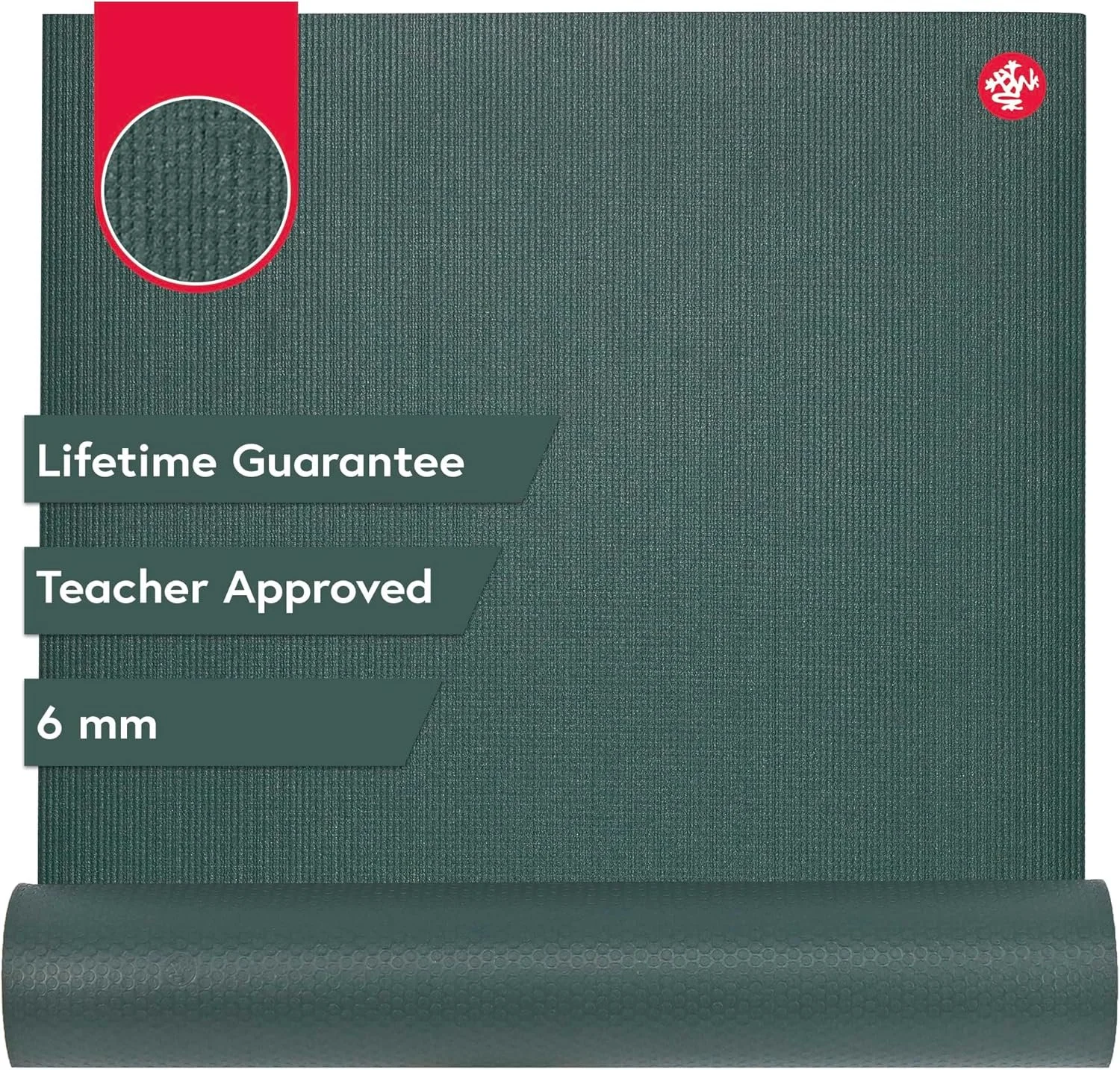
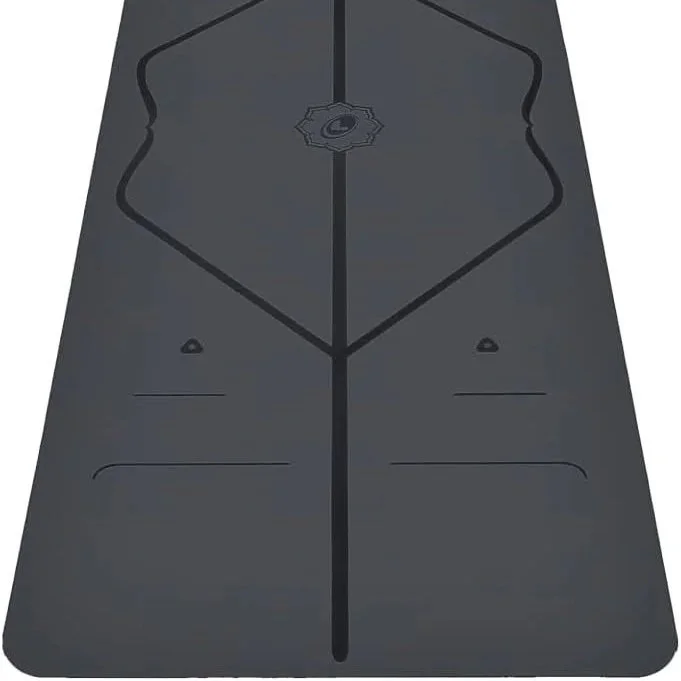
In conclusion, you are looking for a mat that will support you and last a good long while. Beyond that, pick a fun color and pattern that makes you smile whenever you head off to your yoga class.